

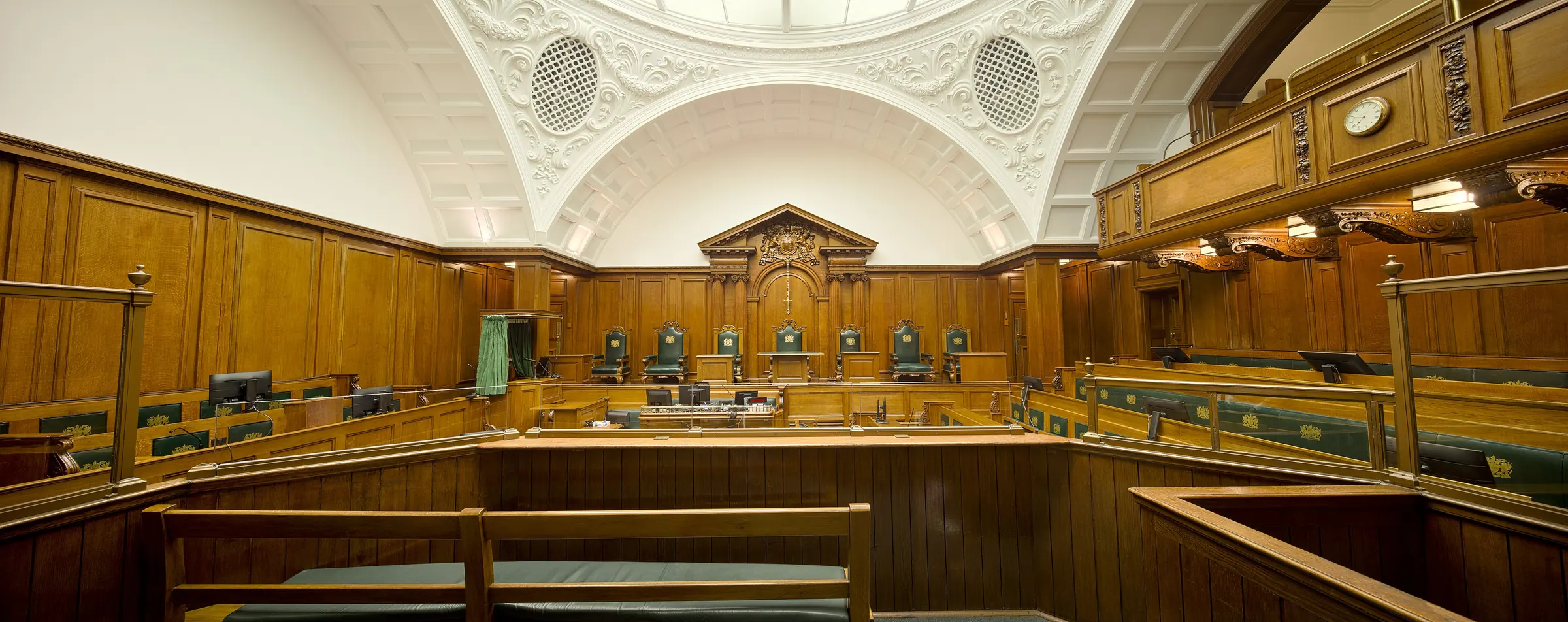
Drug offences and the law
Most drug offences arise under the Misuse of Drugs Act 1971, which divides controlled drugs into Classes A, B and C. Class A includes heroin and cocaine, Class B includes cannabis, and Class C includes some tranquillisers and anabolic steroids. The class of drug, the quantity and the role you are alleged to have played all affect how seriously a case is treated and which court hears it.
The line between possession and possession with intent to supply is often drawn by inference: quantity, packaging, cash, scales or messages on a phone. Those inferences can be challenged. Where a person has been exploited, for example in county lines activity, the Modern Slavery Act 2015 may provide a defence in some circumstances. Supply offences can also lead to confiscation proceedings under the Proceeds of Crime Act 2002.
Early advice matters. Searches, arrests and interviews often happen quickly, and what you say at the police station can shape the whole case. Our solicitors attend police stations 24 hours a day, examine the lawfulness of searches and the reliability of forensic and phone evidence, and represent clients personally in court.
What we do for you
- 24-hour police station attendance after arrest
- Challenges to search procedure and evidence handling
- Review of forensic testing, purity and quantity
- Scrutiny of phone downloads and messaging evidence
- Advice on confiscation and cash seizure proceedings


